
Skylights Installation Cost Calculator | Get an Accurate Skylight Cost Breakdown
Skylights can brighten a home, reduce daytime lighting needs, and improve the feel of a room but pricing can vary widely based on roof conditions, skylight type, and the amount of interior finishing required. This guide explains the main factors used in our Skylights Installation Cost Calculator, and shows you exactly how to use it to get a reliable estimate before requesting contractor quotes.
How to Calculate Skylights Installation Cost by using the Calculator. Step by Step instruction
Step 1: Choose Your Location and Project Type
Select your California region and whether the job is residential or commercial. This adjusts labor and overhead assumptions.
Step 2: Pick the Skylight Type
Choose fixed, vented, tubular, or roof window. If you’re pricing a brand-specific project, use the closest match to your product type (for example, your Velux skylight installation cost estimate fits best under the fixed or vented categories).
Step 3: Enter Size and Quantity
Input the skylight dimensions (or select standard sizes) and how many units you’re installing. The calculator scales material and labor accordingly.
Step 4: Select Roof Type and Pitch
Choose your roof covering (shingle, tile, metal, or low-slope) and roof steepness/access. This is where many estimates change especially for tile and steep roofs.
Step 5: Add Waterproofing and Flashing Details
Select the waterproofing level and whether you’re using manufacturer flashing kits. If you’re addressing leaks, select repair-related adders that reflect skylight flashing repair cost conditions.
Step 6: Include Interior Finishing
If your project requires a new light shaft or drywall/paint touchups, select those options. Finishing can be a major portion of total cost.
Step 7: Add Permits, Structural Work, and Electrical (If Needed)
Enable permit allowance if required. If you’re choosing an electric vented skylight or smart controls, include electrical coordination.
Step 8: Review the Breakdown and Export PDF
Click Calculate to see line-item costs and your estimated total. Use the PDF export to save the estimate, share with family, or compare with contractor bids.
Skylights Installation Cost Calculator
Want to Work with the Top Rated Skylights Installation Service in California?
Once you’ve used our calculator to estimate your project, it’s time to trust the experts who can bring that plan to life. At Pro Glass & Mirror Inc., we’re proud to be recognized as a top rated skylights installation service for homeowners and builders across California.
Our experienced installers handle everything from framing and waterproofing to energy-efficient glazing and precision flashing. Whether you’re upgrading a single roof window or adding multiple skylights to brighten your living spaces, we deliver flawless installation backed by warranty and compliance with California building standards.
Let our specialists help you choose the ideal skylight style, size, and placement to enhance both your home’s natural light and energy performance. Call us at- (530) 273-6979
Main Cost Factors Included in the Calculator
1) Skylight Type and Features
Your selection has an immediate impact on material price, installation time, and hardware complexity.
- Fixed skylight installation cost is typically lower than operable models because there’s no vent mechanism, controls, or extra sealing requirements.
- Vented skylight installation cost (manual or electric) is higher because it includes the vent unit, additional wiring (sometimes), and extra time to ensure airtight/watertight performance.
- Tubular skylight installation cost can be lower for smaller openings, but costs can increase if the tube run is long or requires multiple elbows.
- Roof window installation cost calculator estimates often run higher because roof windows are typically larger, may be within reach, and can require more interior finishing.
2) Size, Count, and Placement
Size drives both unit cost and labor. Multiple skylights can reduce mobilization cost per unit, but each skylight still needs proper layout, cutting, framing, and flashing. The calculator estimates skylight installation cost per skylight and then scales for the number of units.
Placement matters too:
- Skylights near hips/valleys/ridges can be more complex.
- Skylights over finished ceilings often need more interior labor.
3) Roof Type and Pitch
Roof material changes how the opening is cut, how flashing integrates, and how roof repairs are completed.
- Asphalt shingle is often the simplest for skylight flashing integration.
- Tile roof (clay/concrete) usually adds labor for removal, cutting, reinstallation, and matching.
- Metal roof requires careful detailing and compatible flashing to avoid corrosion.
- Flat/low-slope roofs may require curb-mounted skylights and membrane tie-ins.
Pitch and height affect safety setup and work time. A steep roof often requires additional fall protection and slower work.
4) New Installation vs Replacement
This is one of the biggest cost differences.
- Replacement typically uses an existing opening (less framing work).
- A new skylight cut-in requires layout, cutting, framing a rough opening, headers as needed, and more interior work.
If you’re estimating a Velux skylight installation cost estimate, replacement is usually more predictable—especially if you’re staying within the same product line and sizing.
5) Flashing, Underlayment, and Waterproofing
Waterproofing is not a “nice to have.” It’s the heart of the job.
The calculator includes allowance lines for:
- Manufacturer flashing kits (where applicable)
- Ice-and-water style underlayment (when specified)
- Sealants/primers and related consumables
If you’re dealing with leaks or older installs, a separate need may appear as skylight flashing repair cost, which can involve re-flashing, re-sealing, and localized roof repairs.
6) Structural Framing and Attic Conditions
If rafters must be cut or modified, or if you need added headers, labor and material rise quickly. Tight attic access, HVAC ducts, or electrical runs can also slow installation and increase coordination needs.
7) Interior Finishing (Drywall, Texture, Paint)
Many homeowners underestimate this portion. A skylight shaft (light well) can require drywall, corner bead, texture matching, primer, and paint. The more “showroom-finish” you want, the higher the finishing allowance.
8) Permits and Inspection
Depending on scope and your local jurisdiction, you may need permits—especially for structural modifications or large roof changes. The calculator includes an allowance line for permit cost for skylight installation when selected.
9) Access, Staging, and Logistics
Second-story installations, limited parking, or HOA restrictions can add time and cost. Some projects need lifts, scaffolding, or special delivery windows.
10) Contingency (Real-World Buffer)
Skylight work often reveals hidden issues: deck rot, old flashing failures, or underlayment problems. A sensible contingency (often 10–15%) makes your estimate more realistic.
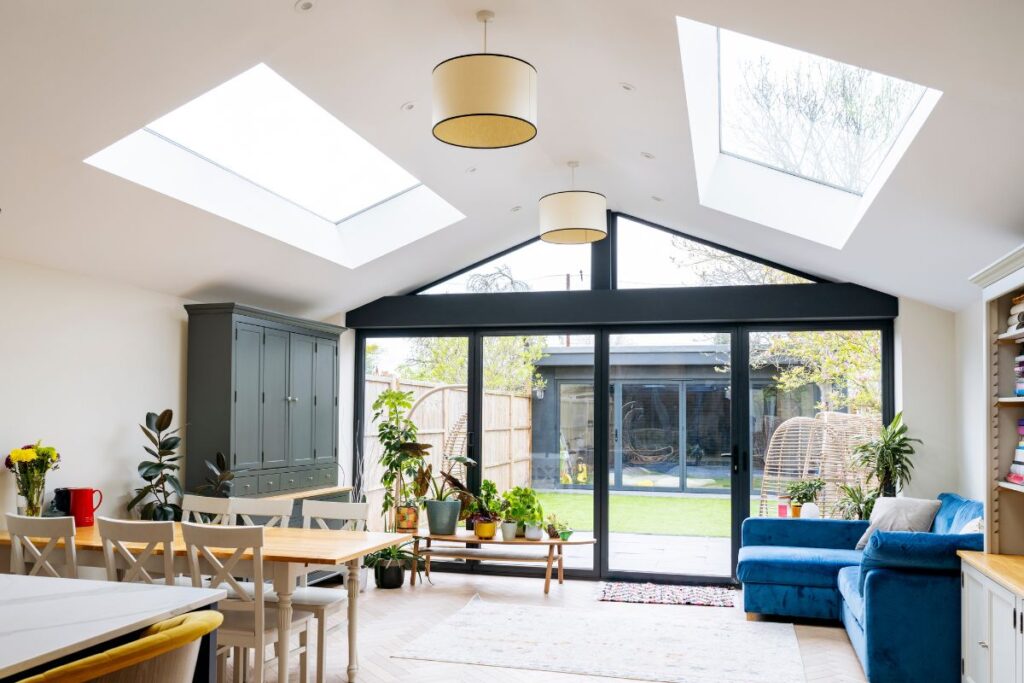
Why Skylight Costs Vary So Much in California
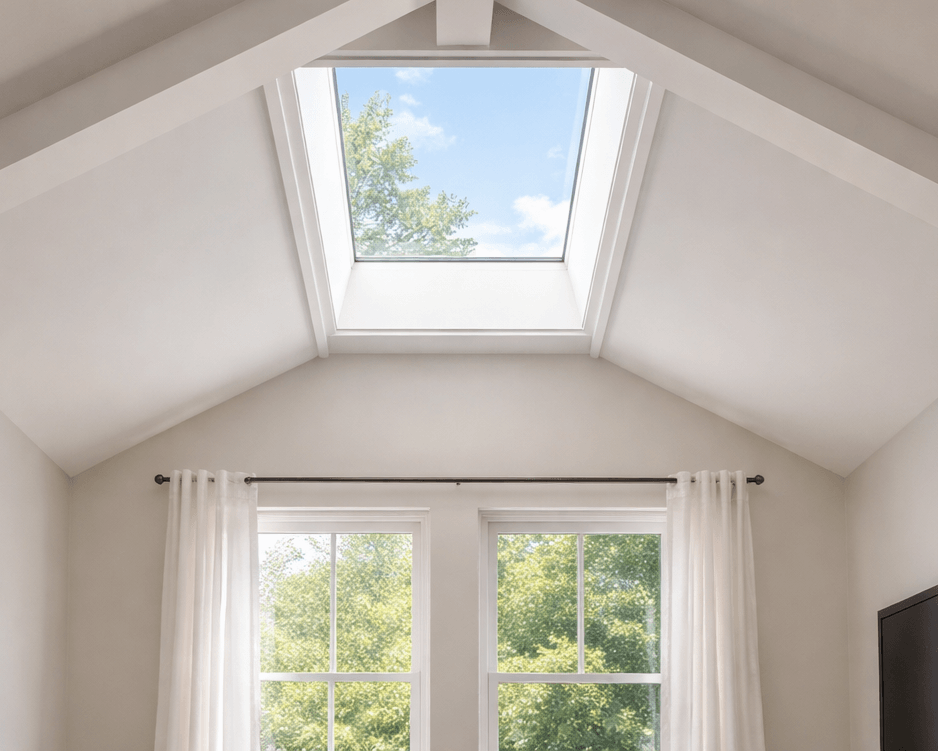
Quick Tips to Improve Accuracy
- Measure the rough opening carefully—incorrect sizing is a top cause of change orders.
- Match the roof type and access level realistically (tile and steep roofs are often underestimated).
- Include interior finishing unless you’re 100% sure it’s not needed.
- Use contingency—especially for older roofs.