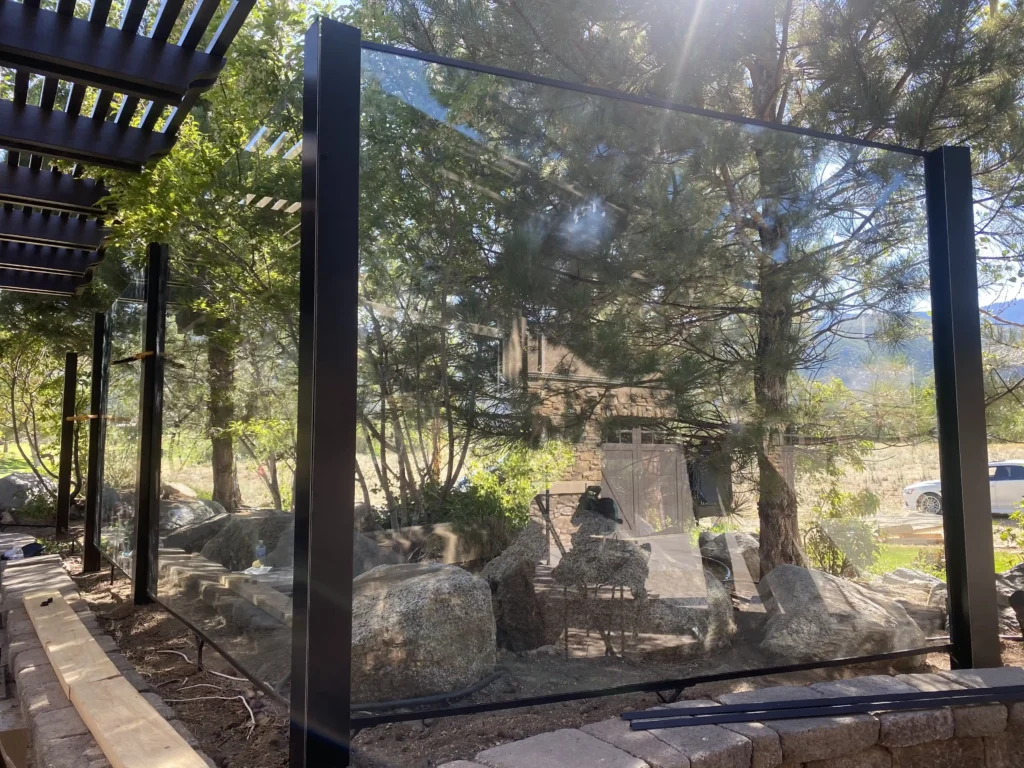
Curtain Wall Installation Cost Estimator | Get a Detailed Curtain Wall Cost Breakdown
How to Use This Curtain Wall Installation Cost Calculator | Step by Step Process
Step 1: Select your California region
Choose the region where the project is located. This adjusts labor and logistics assumptions for Bay Area, Los Angeles, San Diego, or inland markets.
Step 2: Choose curtain wall system type
Select stick‑built or unitized curtain wall. This choice has a significant impact on both material and labor cost.
Step 3: Enter façade size and building height
Input the total curtain wall area and approximate building height or number of stories. The calculator uses this to estimate access and equipment needs.
Step 4: Select glass and performance options
Choose the glass type (double‑pane, triple‑pane, Low‑E, laminated) and performance upgrades. This step models energy and safety requirements.
Step 5: Define structural and seismic level
Indicate standard or enhanced seismic detailing. This adjusts anchorage, engineering, and labor allowances.
Step 6: Add logistics and access conditions
Specify crane access, swing stage requirements, or restricted installation hours. These inputs refine labor and equipment costs.
Step 7: Include engineering and testing
Toggle shop drawings, engineering, mock‑ups, or testing allowances if required by the project.
Step 8: Apply contingency and calculate
Use the contingency slider to cover unknowns such as coordination issues, tolerance conflicts, or schedule changes. Click Calculate to view the full cost breakdown and export the estimate as a PDF.
Practical Notes for Curtain Wall Budgeting
- Early estimates should always be refined with façade consultant input.
- Compare bids using the same assumptions for system type and performance.
Use the calculator to test value‑engineering options, such as unitized vs stick‑built curtain wall systems.
| Cost Component | Estimate |
|---|
Want to start with a Top rated Curtain Installation Services for Industrial Projects in your area?
At Pro Glass & Mirror, we also specialize in industrial curtain installation, delivering durable and energy-efficient curtain wall systems tailored for factories, warehouses, and other large-scale facilities. These projects often require the same precision and performance standards found in our commercial curtain installation service, particularly when it comes to seismic compliance and thermal efficiency in California’s varied climates.
Main Cost Factors Used in the Calculator
1) Curtain wall system type
The system type is one of the largest cost drivers:
- Stick‑built curtain wall – assembled on site; typically lower material cost but higher labor
- Unitized curtain wall – factory‑assembled panels; higher material cost but faster installation
When comparing unitized vs stick‑built curtain wall cost, unitized systems often reduce schedule risk and site labor, especially on mid‑ to high‑rise projects.
2) Total façade area and building height
Curtain wall pricing is strongly affected by:
- Total square footage of façade
- Floor‑to‑floor heights
- Number of elevations
- Building height and access method
Higher buildings typically increase costs due to cranes, hoists, swing stages, or scaffolding. This is why curtain wall installation cost per square foot often rises with building height.
3) Glass type and performance
Curtain wall glazing is typically specified for performance, not just appearance. The calculator differentiates between:
- Insulated glass units (double‑pane)
- Triple‑pane IGUs
- Low‑E coated glass
- Laminated safety or security glass
- Spandrel glass
Higher thermal, acoustic, or security performance increases material costs and sometimes installation complexity. Many owners specifically compare Low‑E curtain wall glass cost in California to meet energy code requirements.
4) Energy code and performance compliance
California projects must comply with stringent energy standards. The calculator accounts for:
- Thermal performance requirements
- Solar heat gain control
- Glass‑to‑wall ratios
These requirements influence glass selection, framing depth, and detailing, which directly impact cost.
5) Structural and seismic considerations
Curtain walls must accommodate:
- Wind loads
- Seismic drift and inter‑story movement
- Building tolerances
Enhanced anchorage, slip connections, and movement joints increase both material and labor. For this reason, seismic curtain wall installation cost in California is typically higher than in low‑seismic regions.
6) Labor, access, and equipment
Installation labor varies based on:
- On‑site assembly vs panelized installation
- Crane or hoist requirements
- Swing stages or scaffolding
- After‑hours or restricted access conditions
These factors play a major role in commercial curtain wall installation labor cost.
7) Engineering, testing, and mock‑ups
Many curtain wall projects require:
- Shop drawings and engineering calculations
- Performance testing (air, water, structural)
- Mock‑ups or pre‑construction testing
The calculator includes allowances for these items when selected, reflecting real‑world project requirements.
8) Logistics and delivery
Large panels and long lead times introduce additional costs:
- Specialized transportation
- On‑site staging and storage
- Handling and coordination
These logistics costs become more significant as panel size and building height increase.
9) Hidden materials and consumables
Curtain wall installation relies on many materials not obvious in drawings:
- Sealants, gaskets, and thermal breaks
- Anchors, fasteners, and embeds
- Shims, setting blocks, and protection materials
These hidden items are accounted for in the calculator to prevent underestimation.
What the Curtain Wall Cost Calculator Estimates
- Curtain wall system type (stick‑built or unitized)
- Glass and panel specifications
- Aluminum framing and anchorage
- Installation labor and equipment
- Logistics, staging, and access conditions
- Engineering, testing, and compliance allowances
- Hidden materials and consumables
- Contingency for real‑world construction risks